
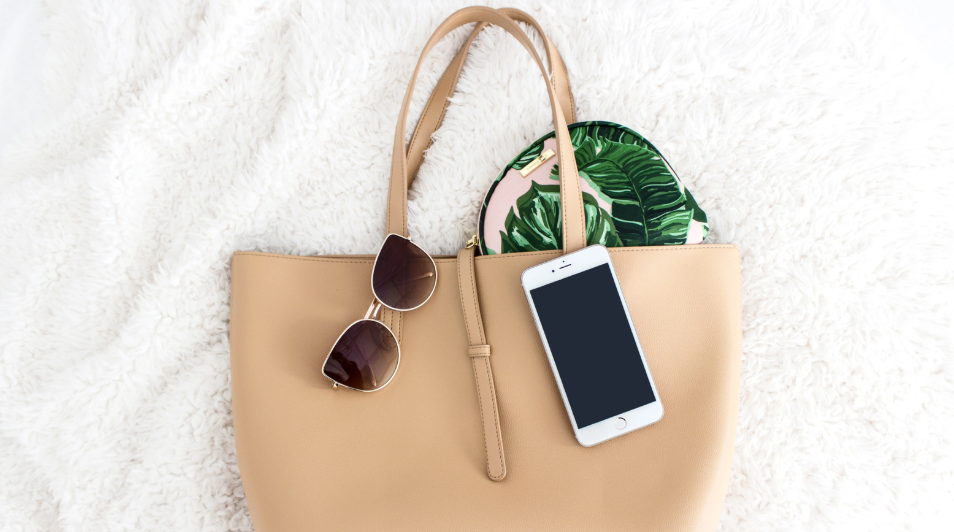
You told yourself this would be the month you save. You even made a GCash folder labeled “EMERGENCY” in all caps, just to feel serious. But then you saw a tote bag. It was clean, minimalist, a little too on-brand. ₱499. Suddenly, your emergency fund became a canvas bag with a witty quote.
It’s not that you’re bad with money. You know what you should do; you’ve watched the videos, liked the budgeting reels, maybe even downloaded an app or two. But ₱300 doesn’t feel like a lot when it’s digital. When everything’s just a tap away, discipline starts to feel negotiable.
Still, some structure helps. Just a few habits that make it easier to keep your money from silently disappearing one iced coffee at a time.
1. Pay yourself first
When the moment money comes in, allowance, part-time gig, freelance, raket, move a portion into a separate account or e-wallet. Right away. Before your brain starts making plans for milk tea and ride-hailing apps.
Even ₱50 is fine. The point is treating savings like a non-negotiable line item.
A simple formula could look like:
- 50% for needs
- 30% for wants
- 20% for savings
Don’t stress about exact math. The point is to set something aside before your wallet becomes self-emptying.
2. Make a budget that matches how you think
If detailed spreadsheets make you cry, don’t use them. Budgeting isn’t supposed to feel like punishment. Try zero-based budgeting. Assign a purpose to every peso you have.
You can do it casually:
- ₱400 – food
- ₱150 – joy purchases (this includes cute things and random snacks)
- ₱100 – for future-you, because she deserves soft things
- ₱200 – savings (hidden, locked, out of sight)
Use a notebook. A notes app. A sticker-covered journal. A color-coded Google Sheet if you’re that person. The format doesn’t matter. What matters is seeing where your money wants to go and deciding if you agree.
3. Set boundaries with GCash
GCash is convenient. It’s also a trap. If you keep it loaded, it’s going to vanish. So treat it like a transaction tool.
- Create folders inside it. Real ones. Name them after goals.
- Move your savings out of GCash. Into a bank, or another e-wallet you don’t check as often.
- Don’t link it to shopping apps. Unlink. Right now.
When you feel the urge to splurge, wait 24 hours. Half the time, you’ll forget about the thing. That’s your brain quietly saving you.
4. Make saving feel… fine
You don’t need to deprive yourself to save. You can still enjoy things. You just decide in advance which enjoyments are worth it.
Some people use a 3-tier test:
- Do I need it?
- Will I still want it in 3 days?
- Can I afford it without guilt?
If all three pass, go ahead. If not, maybe just screenshot it for later and close the tab.
5. Start small, stay kind
You don’t need to overhaul your life in a day. Saved ₱20? Good. Didn’t buy something impulsively? Also good.
Mistakes will happen. You’ll buy things you don’t need. You’ll overspend sometimes. That’s fine. Learn from it and move on. There’s no such thing as being “bad with money”, just underprepared, and maybe slightly too online during payday weekends.
Money is emotional. It’s tied to comfort, survival, identity, and even fun. It makes you human.
So no, you’re not the drama. You’re just someone learning. That tote? It’s cute. But you’ll save better next time.
Probably.
 jourknows.org