
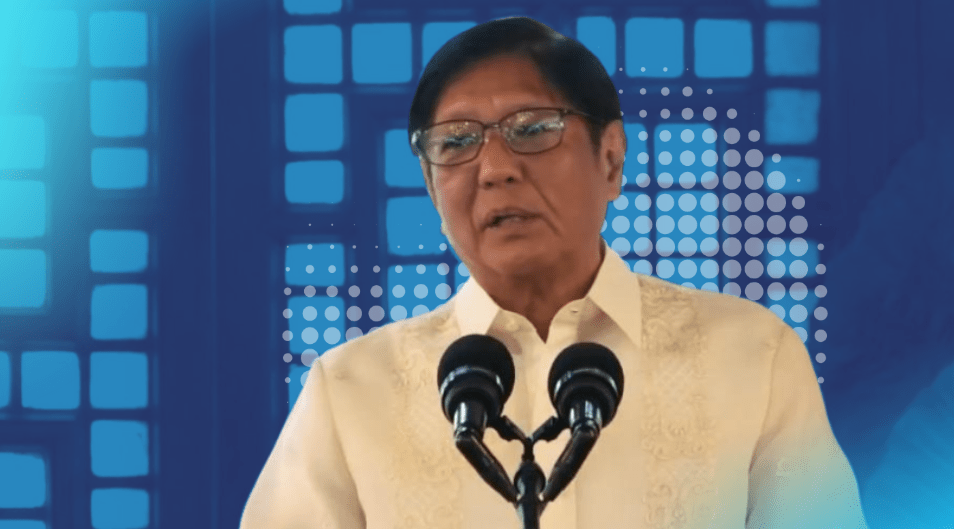
President Ferdinand Marcos Jr. asked all Cabinet secretaries to submit resignations following poor performance by his endorsed candidates in the midterm elections. Two months later, most key positions remain unchanged, fueling concerns over political instability amid a growing rift between his administration and Vice President Sara Duterte.
Marcos requested courtesy resignations from his entire Cabinet on May 22, describing it as a “bold reset” after his coalition won only half of the contested Senate seats—his worst result since 2007. He stressed the move was meant to reinforce performance and accountability, not a shift in policy priorities.
Despite the mass resignation request, Marcos chose to retain most of his economic team—including the finance, trade, budget, and economic planning secretaries. Defense Secretary Gilberto Teodoro Jr., noted for his firm stance on China’s actions in the South China Sea, also remained in place.
However, several high-profile changes took place: Foreign Affairs Secretary Enrique Manalo will shift to the UN ambassador post, with Undersecretary Theresa Lazaro slated to succeed him. Environment Secretary Toni Yulo‑Loyzaga resigned amid scrutiny over her frequent foreign trips; Energy Secretary Rafael Lotilla took over, with Sharon Garin stepping in at Energy.
Political tensions and concerns over disruption
Biz and regulatory groups stressed the need for rapid, merit-based appointments to avoid disruption. The Philippine Chamber of Commerce and Industry called for prompt action to maintain investor confidence . Malacañang assured the public that ongoing government programs and services would continue uninterrupted.
Critics warned the reshuffle could create an “air of instability.” Former Executive Secretary Vic Rodriguez said the mass resignation request appeared “cosmetic” and risked undermining administrative cohesion.
Observers link the Cabinet overhaul to growing tensions between Marcos and Vice President Sara Duterte, whose allies gained unexpected Senate seats. Some view the reshuffle as a bid to assert Marcos’s authority over the administration’s agenda.
Senators aligned with both sides now prepare to sit as judges in Duterte’s impeachment trial, scheduled to begin in July. The political rivalry has raised concerns that ongoing feuding could stall legislative and policy initiatives.
Outlook: more changes ahead?
Executive Secretary Lucas Bersamin confirmed that performance evaluations continue and hinted at further reshuffling. Reuters reported Marcos may also replace Solicitor General Menardo Guevarra to strengthen coordination in major legal and foreign affairs cases.
As the administration navigates midterm fallout and intra-governmental rivalries, political watchers will be watching whether the “reset” strengthens governance or deepens instability.
 jourknows.org