
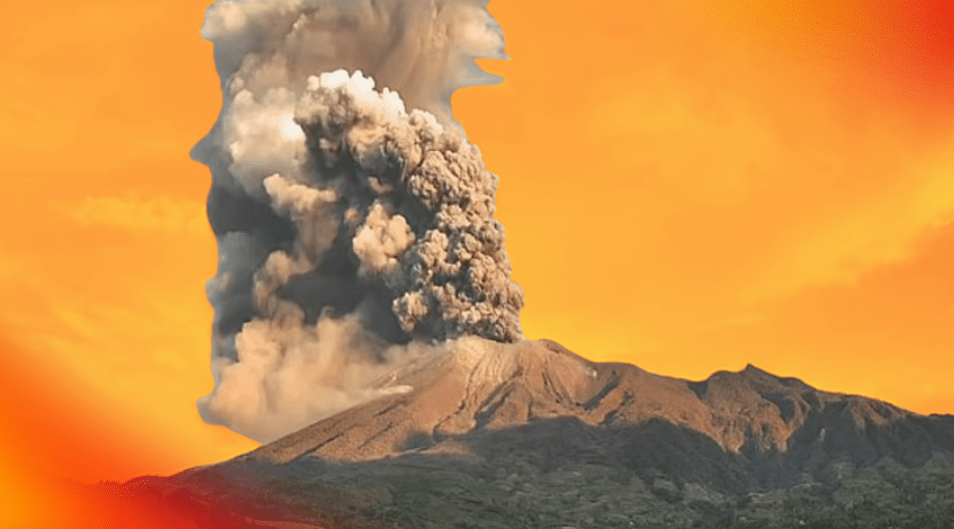
Increased seismic activity, ground inflation and recent eruptions have sustained Kanlaon volcano at Alert Level 3, prompting evacuations within the 6‑kilometer permanent danger zone and ongoing flight advisories.
PHIVOLCS elevated the alert from Level 2 to Level 3 in early May after recording sustained magmatic unrest. The agency has since documented daily volcanic earthquakes (ranging from 1 to over 30 per day), with deeper tremors between 0–8 km below the summit.
PHIVOLCS Director Teresito Bacolcol noted that these seismic swarms, combined with significant inflation along the eastern flank and a decline in sulfur dioxide emissions, from over 4,000 t/day to as low as 300–1,800 t/day, suggest pressurization of magma and a sealed conduit that could lead to sudden explosive activity.
A moderately explosive eruption on May 13 sent an ash plume 4,000–4,500 meters above the summit and produced incandescent pyroclastic density currents that traveled up to 2 kilometers down its southern slopes. The eruption deposited ash across more than 50 barangays in Negros Occidental and Negros Oriental, causing widespread ashfall inconveniences. PHIVOLCS reiterated its recommendation for residents to avoid the 6‑km exclusion zone and for aviators to steer clear of the summit overflight area.
The National Disaster Risk Reduction and Management Council reported that previous explosive episodes, on April 8 and December 2024, had displaced thousands and triggered states of calamity in local municipalities. Local disaster offices evacuated families near La Castellana, and authorities implemented mask mandates and ashfall advisories for nearby municipalities.
PHIVOLCS continues to conduct 24‑hour seismic monitoring and gas emission surveys. A bulletin issued on June 3 recorded 38 volcanic quakes and approximately 1,460 t/day of SO₂ emissions. Civil defence officials reported lahars triggered by recent heavy rains that clogged rivers and roads around La Castellana.
Volcanologist Mahar Lagmay from the University of the Philippines Resilience Institute pointed out that Kanlaon’s history of rapid-onset eruptions, despite being less frequent than Mayon or Taal, demands rigorous preparedness from authorities and communities alike .
Authorities have not ruled out raising the alert to Level 4 if monitoring data show escalating unrest. For now, they urge continued evacuations, restricted access, mask usage during ashfall, and avoidance of airspace around Kanlaon.
 jourknows.org